Six Projects Recognized in 2026 IDEAS Awards
AISC announced the winners of the 2026 IDEAS Awards, recognizing six projects for innovation in steel design and construction.
Six projects were recognized as winners of the 2026 IDEAS Awards, presented by the American Institute of Steel Construction (AISC) and Building Design+Construction. The annual program honors projects that demonstrate innovation in steel design, engineering and construction.
According to AISC, the 2026 award recipients range from infrastructure and public safety facilities to higher education and adaptive reuse projects, as well as a research initiative focused on field-applied steel repair.
“American innovation — particularly design innovation — is built on a backbone of steel,” said AISC Director of Architecture Nima Balasubramanian, AIA, NOMA. “These cutting-edge projects represent the pinnacle of thoughtful design for a greener, more resilient future — and in some cases, they’ve been specifically designed for 100 years of service!”
Sustainable Design and Construction
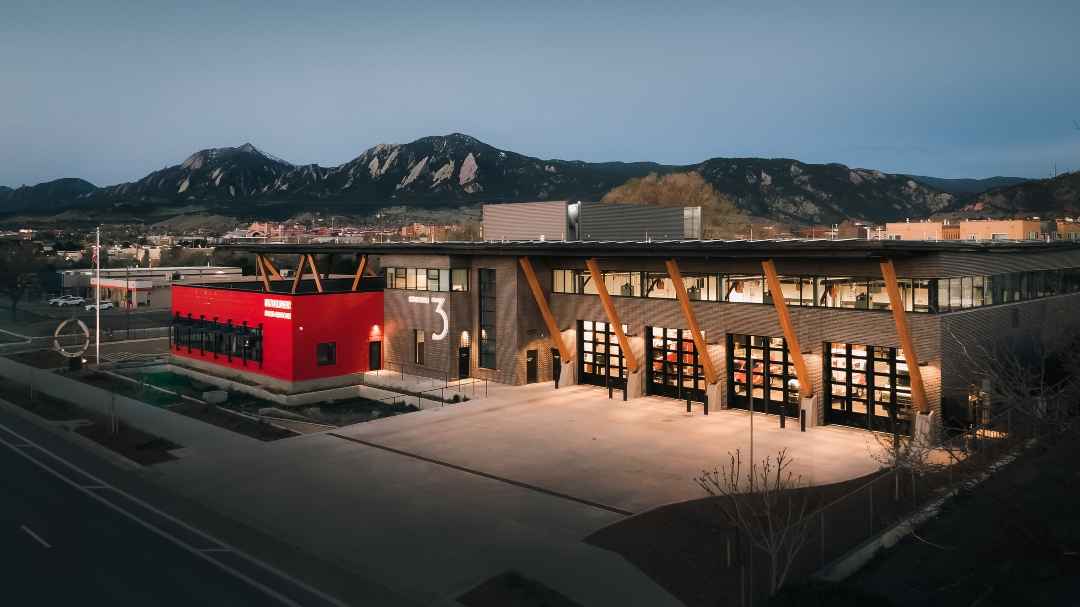
City of Boulder Fire Rescue, Station #3 (Boulder, Colorado)
The City of Boulder Fire Rescue Station #3 received the IDEAS Award for Excellence in Sustainable Design and Construction. The project reused structural steel members salvaged from a deconstructed local hospital, reducing emissions associated with new structural materials.
The project team included owner City of Boulder; architect Davis Partnership Architects; general contractor Mark Young Construction; and structural engineer KL&A Engineers & Builders.
Judge Bethany Whitehurst, SE, PE, said, “The engineers at KL&A have become leaders in developing the rules for deconstruction and reuse of steel through projects like this. Their methods are a model for future salvage and reuse in the U.S. The steel is visible. It celebrates the story in its construction, and the architect reduced embodied carbon by eliminating finishes that would otherwise cover it. It’s designed for longevity — 100 yrs. Occupants can see whether the structure ever needs repair and fix it early. And, its function helps preserve the surrounding community.”
Constructability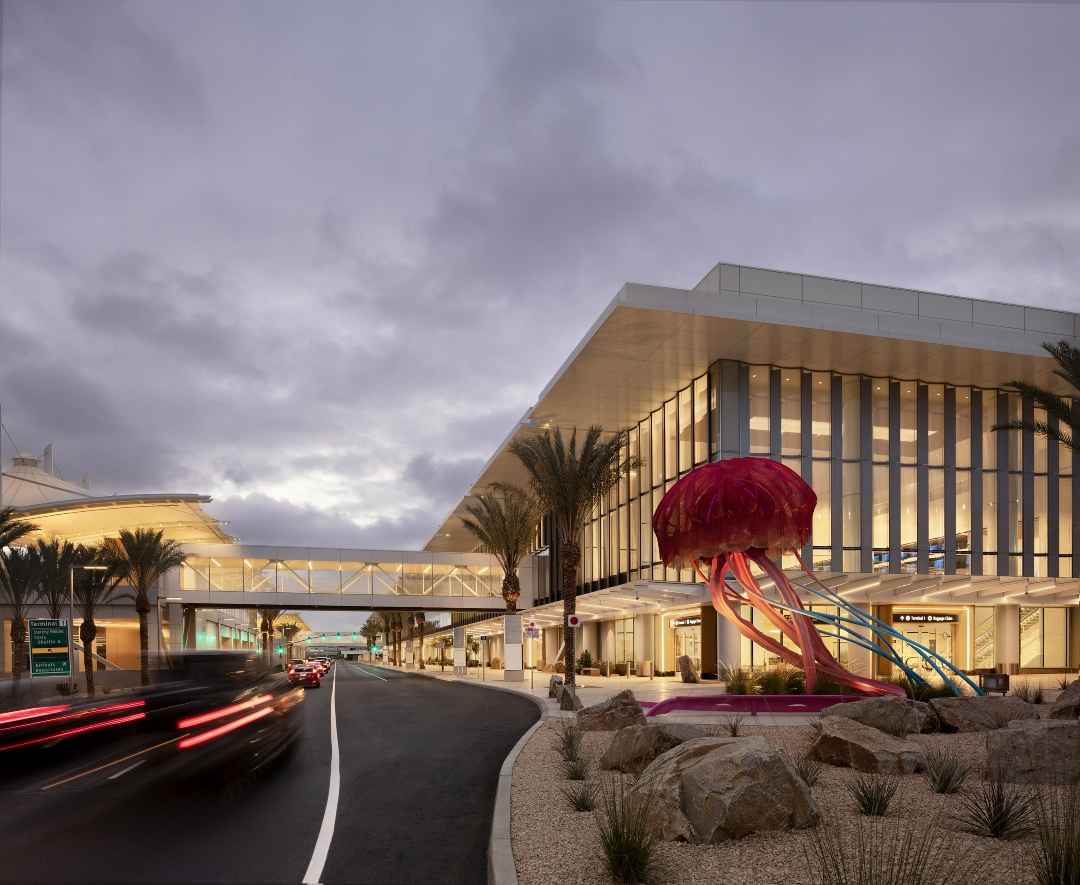
San Diego International Airport Terminal 1 (San Diego)
The IDEAS Award for Excellence in Constructability went to the redevelopment of Terminal 1 at San Diego International Airport. The project was completed while airport operations continued at the busiest single-runway airport in the United States.
The project team included owner San Diego County Regional Airport Authority; managing architectural firm Gensler; general contractor Turner | FlatironDragados JV; and structural engineer Magnusson Klemencic Associates, with additional engineering and fabrication partners.
Judge Courtney Lilly said, “Using preassembled modular bridges and roof trusses contributed to speedy and seamless installation. Having structural designers and the steel fabricator team up at the beginning of the project are what ensures innovative constructability. Designers addressing difficult connections in advance and the fabricator using programs such as Tekla helps to avoid any possible issues for rework or additional work in the field.”
Adaptive Reuse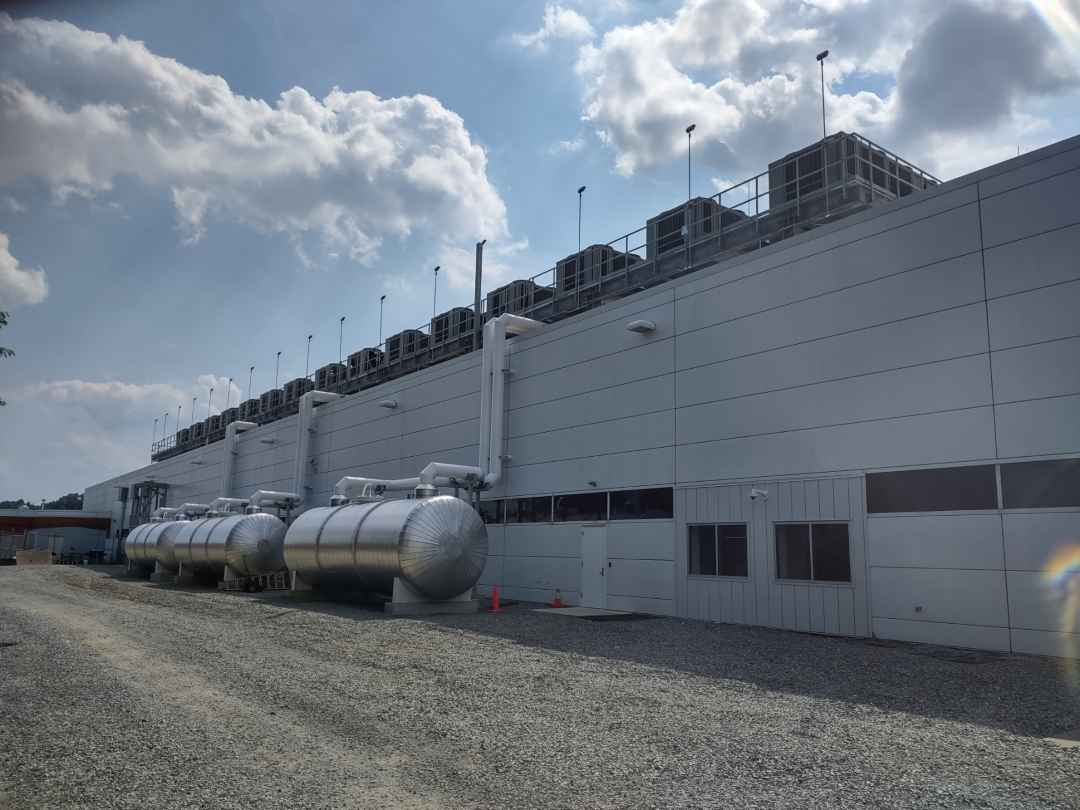
TierPoint Tek Park High Density Environment Renovation (Breinigsville, Pennsylvania)
This project received the IDEAS Award for Excellence in Adaptive Reuse after transforming an existing industrial building into a three-story data center by constructing a new steel structure within and above the original envelope.
Judge David Barista said, “Structural steel played a critical role in repurposing this industrial building while delivering much-needed data center power to the region. The project team developed a simple yet elegant solution to accommodate the sensitive equipment and infrastructure: inserting a steel-framed mezzanine within the structure and a dunnage platform above the existing roof. The result serves as a model for data center developers looking to add capacity in urban and dense environments.”
Architecture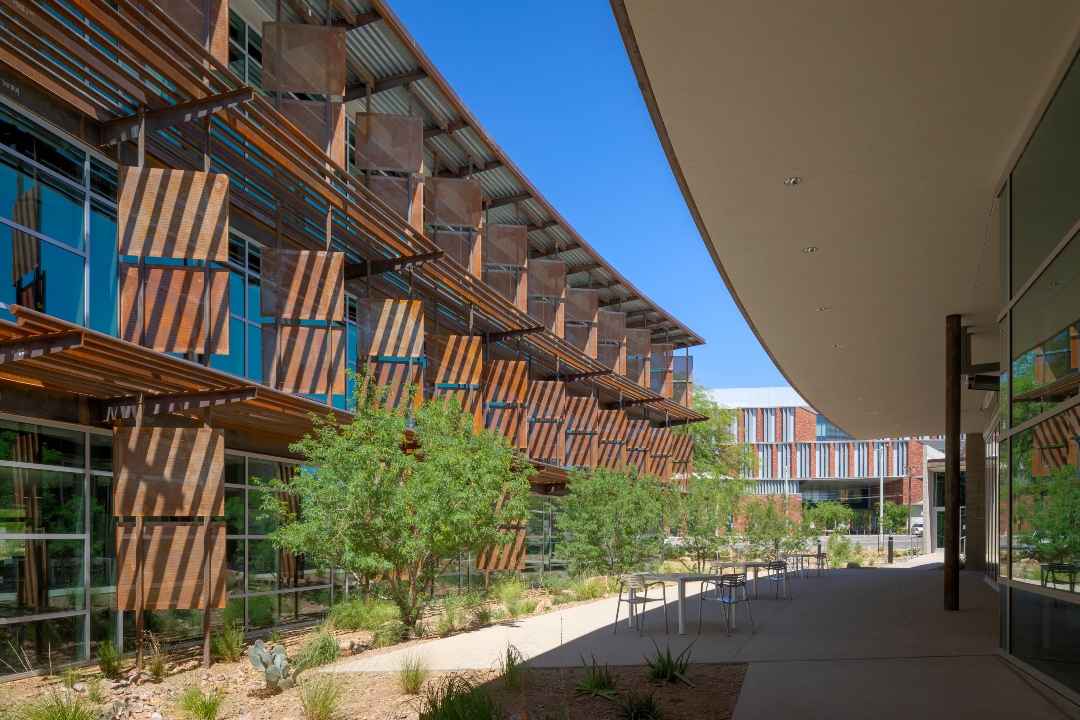
University of Arizona Andrew Weil Center for Integrative Medicine (Tucson, Arizona)
The IDEAS Award for Excellence in Architecture was awarded to the University of Arizona Andrew Weil Center for Integrative Medicine, a project that uses exposed structural steel and weathering steel to support flexible health-focused programming.
Judge Thomas Robinson said, “What impressed me about the project was that it's all steel, all exposed and incredibly elegantly designed and detailed. It's not a project that hits you over the head with the architecture. It's not just one building, it's a conversation between multiple buildings. You're using structural steel that's exposed for low-rise structure. The facade is uncoated weathering steel, but it's used in a way to deal with shading. And the shading isn't just, okay, we're just gonna figure out how to shade the building. It has its own expressive qualities.”
Engineering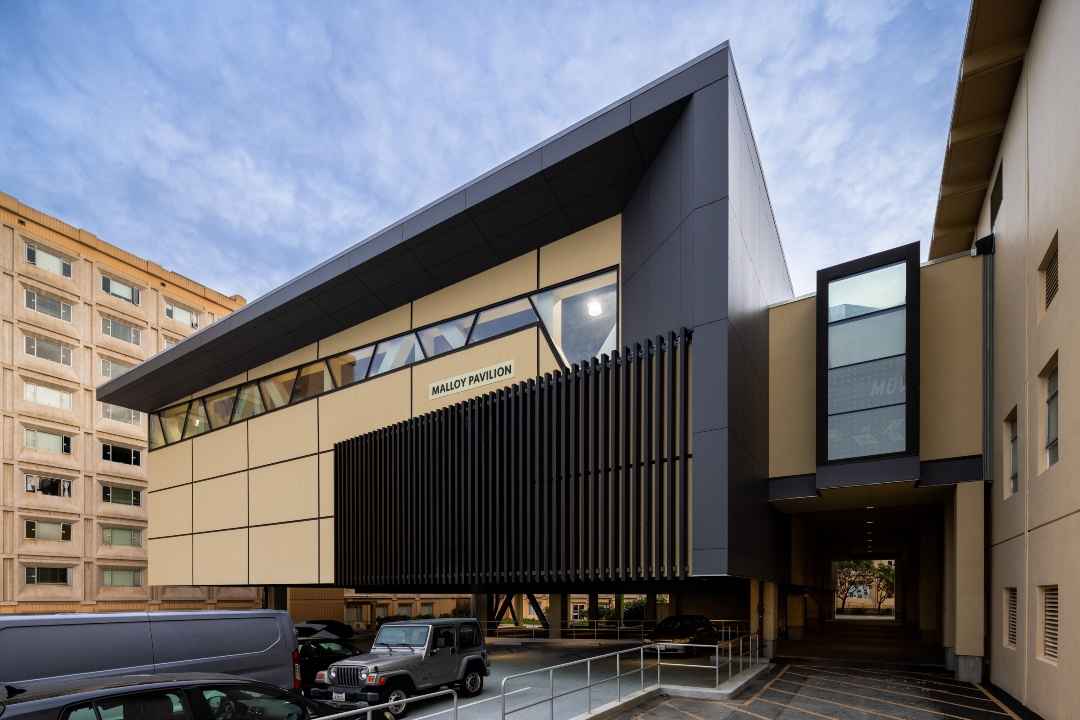
University of San Francisco Malloy Pavilion New Practice Gymnasium (San Francisco)
The IDEAS Award for Excellence in Engineering was presented to the Malloy Pavilion New Practice Gymnasium at the University of San Francisco. The project required seismic isolation from an existing parking structure and relied on long-span steel trusses and limited column placement.
Judge Paul Evans, SE, PE, said, “Due to the unique constraints of the site, the feasibility of this project was dependent on creative engineering solutions. Supporting more than half the structure on 3 columns limited impacts to the existing parking structure below. Fine tuning the lateral system by intentionally softening the east side of the building managed the torsional behavior of the structure. And the use of long-span perimeter trusses achieved the large open floor plans. All this delivered an elegant, ‘floating’ gymnasium with minimal impacts to the surrounding structures.”
IDEAS | next Award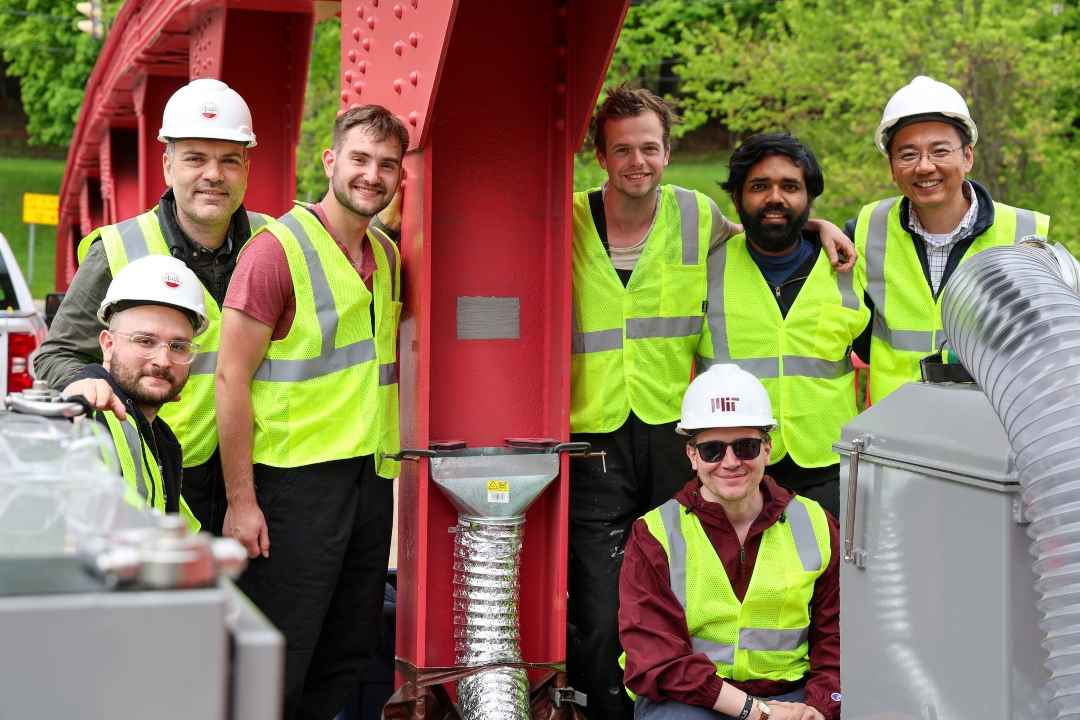
In addition to the project awards, AISC presented the inaugural IDEAS | next Award to a research initiative focused on field-deployed cold spray additive manufacturing for steel repair. The work, developed by a team from the University of Massachusetts Amherst, the Massachusetts Institute of Technology and the Massachusetts Department of Transportation, was demonstrated during the Great Barrington Cold Spray Demo Repair.
Judge Melissa Gradecki, SE, PE, said, “Field deployment of cold spray additive manufacturing redefines steel preservation and restoration. This innovation not only provides a structurally efficient and sustainable alternative to conventional repairs but has the potential to open the doors to other game-changing applications for any localized member restoration, including lintel and crack repair, on-site modification of small details or rapid repairs in access-limited conditions. This innovation embodies the IDEAS | next vision: bold, transformative and beneficial to diverse structural steel applications.”
Jan 16, 2026