HAWE Hydraulik Solutions Target Forestry Efficiency Gains
HAWE highlights hydraulic systems improving forestry equipment performance, efficiency and operator control.
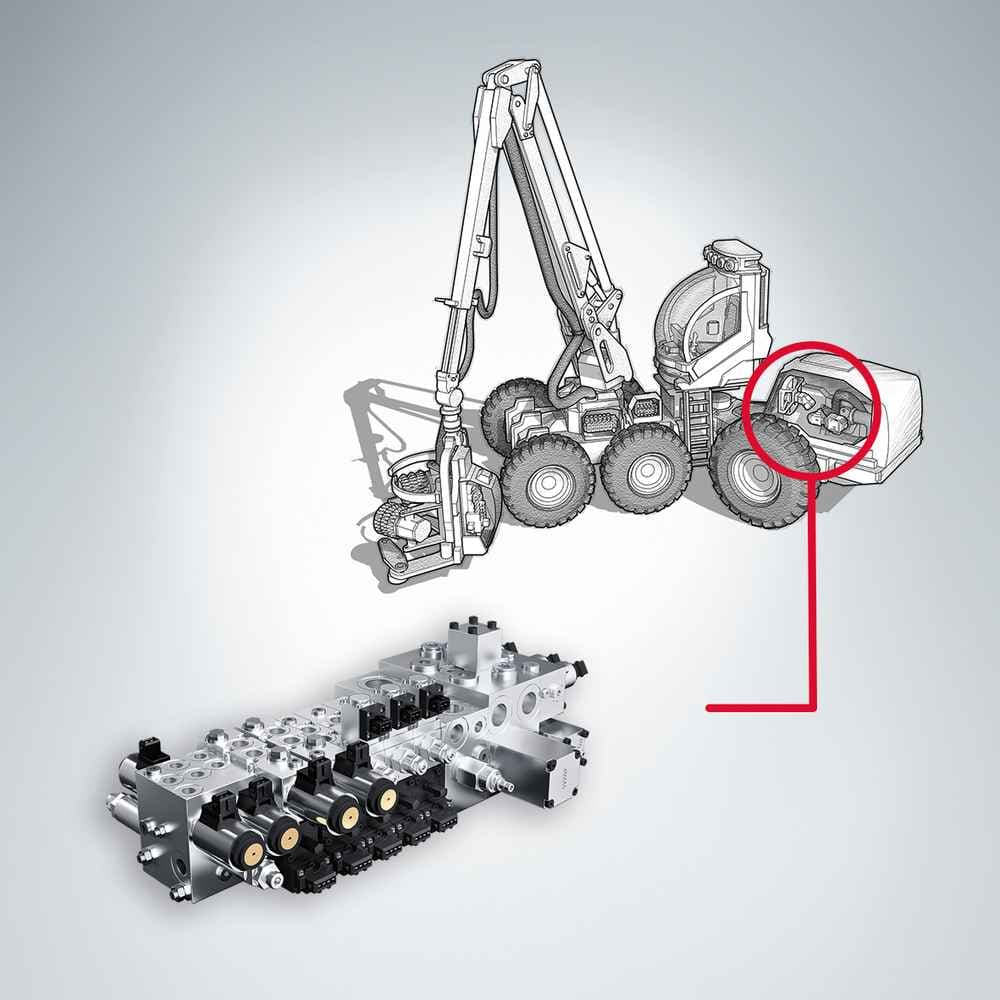
HAWE Hydraulik SE is outlining how modern hydraulic systems are being developed to address evolving demands in forestry equipment, where performance, efficiency and sustainability must be balanced.
Forestry machinery continues to face increasing pressure to deliver higher harvesting speeds while also reducing noise, emissions and soil impact. At the same time, operators must manage stricter regulations and ongoing labor shortages, which are influencing equipment design and functionality.
Hydraulic systems remain central to machine performance, particularly as forestry operations require both high power output and precise control. According to HAWE, modern machines must combine durability and stability with reduced weight to protect soil conditions while maintaining productivity. Compact valve technology and high-pressure performance are key factors in achieving that balance.
Operator usability is also becoming a critical focus. With fewer skilled workers available, equipment is being designed to be more intuitive and ergonomic. Electro-hydraulic systems are enabling more precise control of harvester heads and forestry cranes while reducing physical strain on operators. Semi-automated functions are also being introduced to standardize motion sequences, helping reduce fatigue and improve safety while maintaining consistent output.
In addition to operator-focused improvements, digital technologies are playing a growing role in forestry equipment. Sensor systems, condition monitoring and predictive maintenance tools are being integrated to improve machine uptime and reliability. These systems allow operators and fleet managers to monitor performance and anticipate maintenance needs before failures occur.
From a hydraulic standpoint, operating speed remains a primary requirement across forestry applications such as felling, delimbing, skidding and material handling. Systems must deliver both rapid movement and precise positioning. HAWE notes that efficient hydraulic designs, including load-sensing systems and variable-displacement pumps, are helping optimize available power while minimizing energy loss. Features such as regenerative functions and the use of boom weight during lowering are also contributing to improved efficiency.
The company’s system approach combines pumps, control blocks and electronic control units into integrated solutions tailored to specific machine types. These include variable-displacement pumps for forwarders and harvesters, as well as proportional spool valves designed for energy-efficient and load-independent operation.
Hydraulics continue to play a key role in applications requiring high force and speed, particularly when combined with electronic control systems. Advances in control interfaces, including joysticks, touch displays and remote operation, are further improving operator comfort and machine customization.
As forestry equipment evolves, hydraulic and electronic integration is expected to remain a central factor in improving performance, reducing environmental impact and addressing workforce challenges.
Apr 15, 2026