Generator Safety Standard Emphasized for Jobsites
PGMA highlights updated generator safety standards and CO-shutoff technology to reduce risks on construction jobsites.
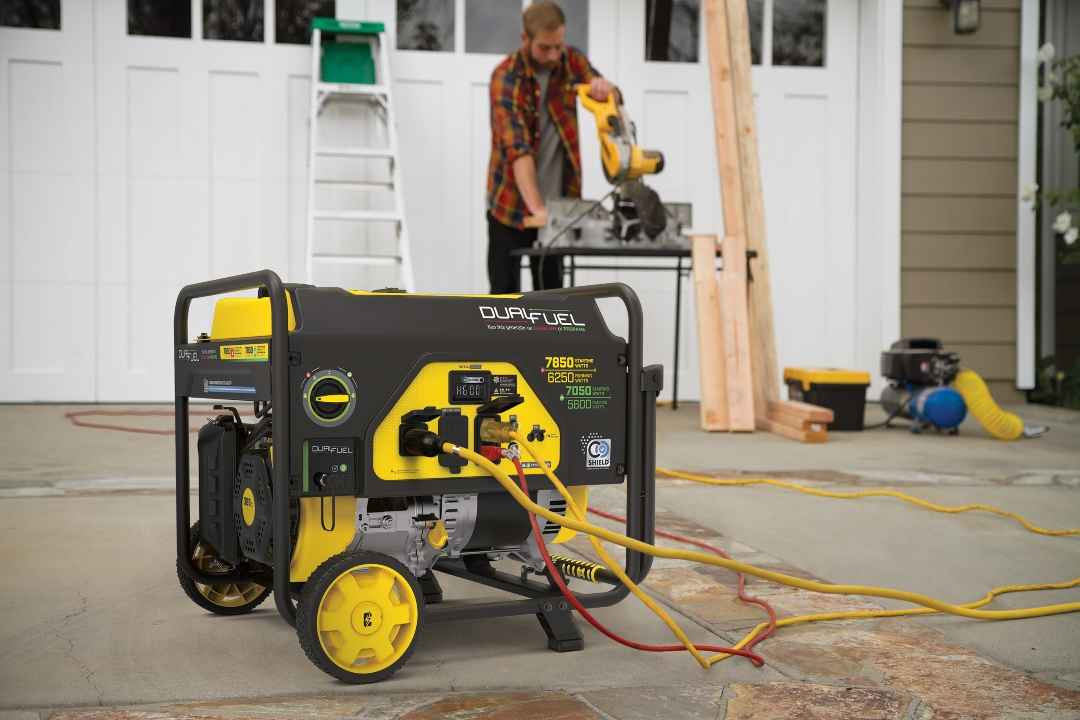
The Portable Generator Manufacturers’ Association (PGMA) is encouraging construction professionals to follow updated safety standards for portable generator use on jobsites, highlighting the role of carbon monoxide (CO) shutoff technology in reducing risk.
Portable generators are commonly used across construction sites, particularly during early project phases or when temporary power is required. The association said that because these units operate in fast-paced environments, proper safety practices remain critical.
PGMA pointed to the ANSI/PGMA G300 standard, which includes CO-shutoff technology designed to reduce injury risks associated with improper generator use in enclosed or partially enclosed spaces. The latest update, ANSI/PGMA G300-2023, builds on earlier requirements by lowering CO shutoff thresholds. According to the association, the original sensor technology introduced in 2018 is credited with a 99% reduction in fatalities.
The organization said generators should always be operated outdoors and never inside buildings, trailers, truck beds, tents or partially enclosed areas. Exhaust should be directed away from occupied structures and positioned downwind when possible. Operators are also advised to follow manufacturer instructions and safety guidelines.
PGMA added that anyone experiencing symptoms such as dizziness, weakness or illness while a generator is running should move to fresh air immediately and call 911.
The association represents portable generator manufacturers in North America and focuses on safety standards and education initiatives related to generator use.
Mar 17, 2026