The Landscape of Labor and Fair Chances
New approaches by construction industry employers are sourcing much needed talent
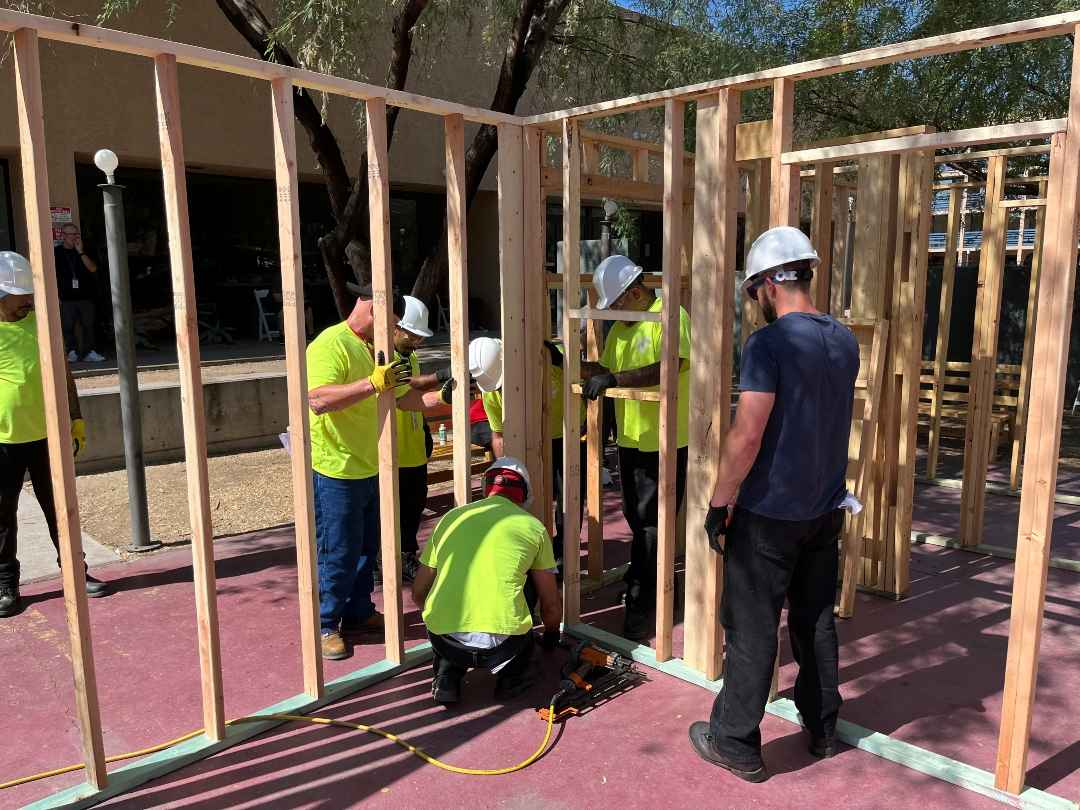
It’s no secret: the challenges of sourcing labor in the trades are reaching critical mass:
- The Arizona Office of Economic Opportunity projects a 22.7% increase in construction employment through 2034, even as younger workers show limited interest in the field.
- As 30% of union electricians approach retirement over the same period, there are only two replacements on average for every five leaving the workforce.
This imbalance has set the talent pipeline on a collision course with an expanding housing market, driven by consumers who expect building to continue without interruption, regardless of these workforce limitations.
The resulting labor desert, a critical shortage in the local labor supply that imperils area industry, is not confined to isolated, rural communities or declining markets. Labor deserts occur in populations of all sizes and economies of any condition.
New Approaches
Like the ongoing scarcity of nurses and teachers, the diminishing numbers in skilled trades are straining the country’s capacity amid a growing national hiring crisis. These pressures have compelled employers to explore new approaches to sourcing talent.
Included is Fair Chance Hiring, an approach that narrows the chasm between employers and qualified applicants. Commonly associated with “Ban the Box” policies, Fair Chance Hiring expands access to talent by engaging applicants with prior involvement in the justice system.
One famous example is the Fair Chance to Compete Act passed in 2023. Also known as the Fair Chance Act, the measure prohibits federal agencies and contractors from requesting an applicant’s criminal history prior to issuing a conditional offer of employment.
Fair Chance Hiring, with its reach extending beyond the construction industry, continues to gain momentum, even among global corporate titans. In a well-known study, Johns Hopkins Hospital engaged a beta test assessing the totality and relevance of an individual’s background against specific job requirements. The outcome was staggering:
- Over a five-year period, nearly 500 ex-offenders demonstrated lower turnover than their non-offender colleagues.
- Of the 79 with serious records, after approximately six years, 73 were still employed with only one involuntary termination.
Reflecting this trust-based approach, JPMorgan Chase has enjoyed a similar experience through its own Second Chance Agenda, offering career pathways that were previously inaccessible.
For all the benefits of Fair Chance Hiring, including the Work Opportunity Tax Credit and eligibility for federal bonding, barriers remain. Business leaders often express concerns about risk management or the absence of organizational structures to support Fair Chance Hiring.
The most significant of these is the stigma attached to the justice involved. Many justice-involved individuals contend with multiple challenges relating to poverty, health, and compliance with post-incarceration supervision.
Changing the Conversation
New Freedom, a Phoenix-area provider of treatment and training for the justice-impacted, is leading the dialogue. Their innovative, comprehensive program of primary care, behavioral health treatment, and vocational training in HVAC, carpentry, electrical, and painting trades builds productive citizens and safer communities. Through gainful employment, these loyal workers contribute to growing businesses while generating payroll and consumer taxes that fund vital public services.
Over five years, New Freedom alumni have maintained a 95 percent rate of avoiding a return to prison. Of that group, 70 percent remain with the first employer they connected with while at New Freedom.
The committed team at New Freedom, 85 percent of whom have also been involved in the justice system, is foundationally dedicated to members and the employer-partners hiring them. Together, they are charting the new terrain of a constantly evolving labor market.
This collaboration and the mutual successes that follow demonstrate the potential of Fair Chance Hiring. To join the discussion and learn more, visit www.newfreedomaz.com or call 602-690-0579.
About the Author:
Wade Siers is a labor economist with New Freedom. He works with employers across various sectors to interpret labor availability, demographic shifts, and workforce realignment. Wade’s publications have been featured in Training Industry Magazine and Southern University’s College of Business E-Journal. He holds a Doctor of Philosophy in Leadership from Louisiana Baptist University, where his research focused on the labor economics of U.S.-China relations.