
Contractors Hot Line is part of the Catalyst Communications Network publication family.
Contractors Hot Line is part of the Catalyst Communications Network publication family.
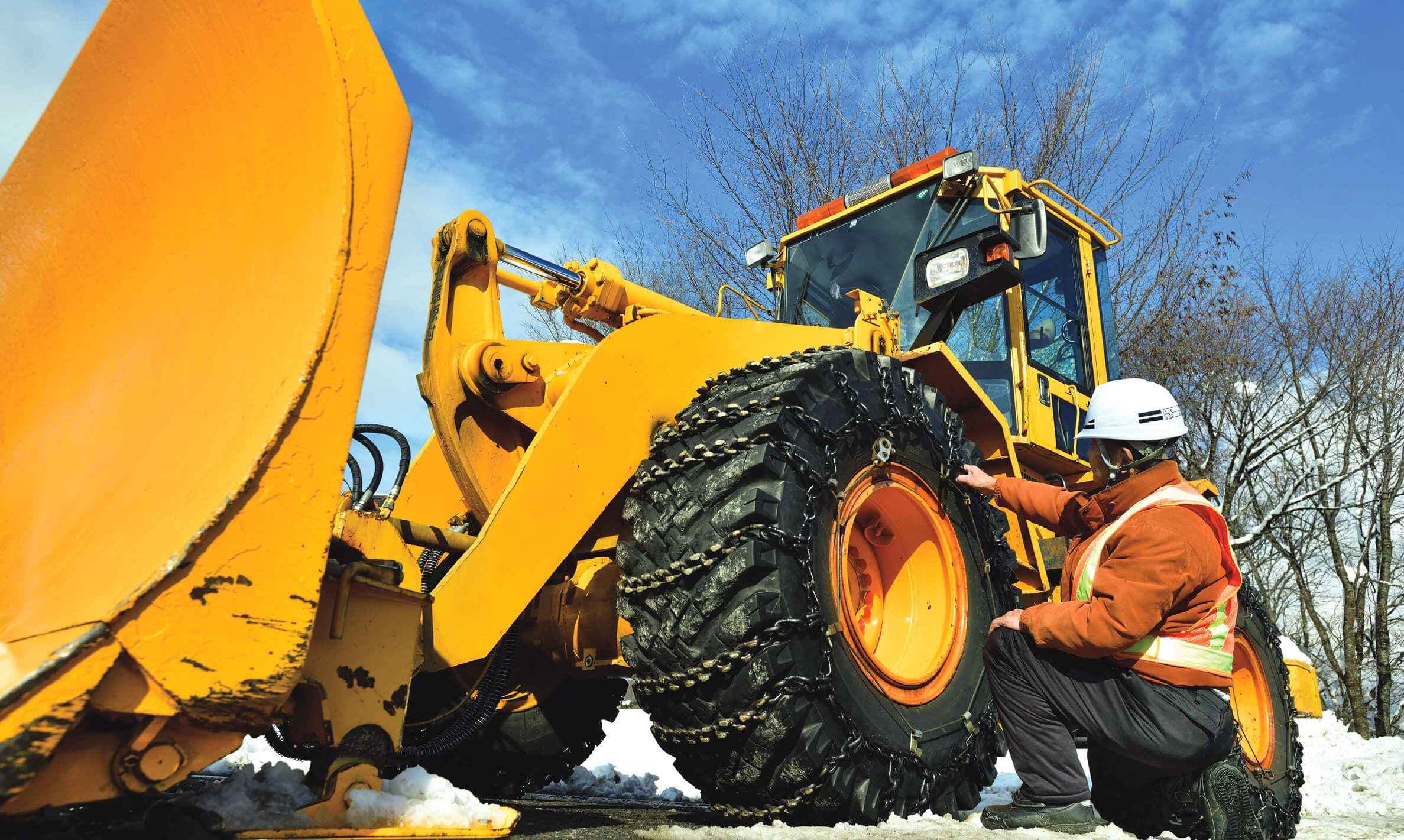
If you live in northern climates, you know that winter is coming.
To keep construction sites safe, accessible and operational in the face of snow and ice, start preparing early. Maintaining peak performance of snow and ice removal equipment takes work before, during and after the season — especially for large-scale machinery and outdoor work environments. With proper preparation and proactive maintenance, you can keep snow equipment working and construction sites snow- and ice-free all winter long. No matter how long it lasts.
Equipment Rundown
Construction sites often require heavy-duty snow and ice removal machinery capable of tackling large areas and a variety of terrains.
Snowplows are a staple for clearing roads and work areas. They come as V-plows, straight-blade plows and pusher plows, and you can mount them on trucks, skid steers and wheel loaders for even more versatility.
Snow blowers, whether attached to skid steers or wheel loaders, efficiently clear snow by blowing it into piles or to the side of work areas, easing access and making safer site conditions.
Salt and sand spreaders distribute grit and deicers across work areas to help vehicles maintain traction on icy surfaces. Spreaders are usually mounted on trucks or heavy equipment to get the job done fast.
Liquid deicers prevent ice formation and improve jobsite safety. Trucks with tanks spray liquid deicing agents before and after snow and ice events to prevent ice from forming or to melt ice already on road surfaces.
Skid steers and wheel loaders can be equipped with plow and blower attachments to provide flexible snow and ice clearing tasks.
Pre-Winter Preparation
Before the first snowfall, make sure your snow and ice equipment are in good working order and ready to serve throughout the season. Here’s what to check:
Ongoing Maintenance During Cold Months
Once winter hits, it’s essential to maintain regular service schedules. Snow and ice equipment can wear down from constant use, harsh conditions and the corrosive effects of salt and deicing chemicals.
Here’s how to keep everything in top shape throughout the season:
Off-Season Storage and Care
The end of winter doesn’t mean the end of cold-weather equipment maintenance. Storing and servicing snow and ice equipment properly during warmer months keeps them in good shape for the next snow season.
After the last snowfall and before storing equipment, conduct thorough inspections. Look for damage and corrosion, and repair or replace worn parts. Completely clean off the remaining salt and deicer and apply a rust preventative to metal parts like plow blades, hydraulic cylinders and frames.
Then store equipment in a dry, covered area to protect it from the elements. If you don’t have indoor storage space, use tarps and covers. Disconnect batteries or use battery maintainers to prevent drainage.
Next, take inventory and order spare parts for next season. Stocking up on cutting edges, hydraulic hoses and filters gets you ready for the first snowfall, and you may save money by cashing in on end-of-season sales.
Finally, download and update software for snow removal machinery that has GPS, control systems or data collection systems.
Training and Safety
While you’re taking care of your equipment, also care for the personnel who operate it. Make sure team members are trained in equipment operation, maintenance and safety procedures.
Operators should know how to use equipment controls, understand safe operating procedures and practice safety precautions. They should also be comfortable handling equipment in slippery conditions and troubleshooting common issues like clogged spreaders and stalled plows. This is also the time to stock, test and train employees to use emergency equipment like tow straps, winches and communication devices.
Worthy Investment
For contractors on construction sites, proper preparation and servicing of snow and ice removal equipment are vital for minimizing downtime and maintaining safety. By following the above steps, you can keep your equipment in top shape and ensure smooth, efficient snow removal all winter long. Invest in maintenance and preparation now to save time, money and headaches when winter inevitably arrives.
Preparing, preventing and protecting are key to getting and keeping your snow removal equipment ready for snowstorms, ice and freezing temperatures.
The best way to keep your equipment functional, safe and ready to work when the snow falls is by having and following a coordinated plan. Inspections, repairs and preventative maintenance are key.
Jobsite safety during winter months is possible. By caring for your snow-removal equipment and operators, you can get the most out of your crews year-round.